
There’s a forgotten room in your house that’s brimming with potential—and it’s not in the basement. The garage, often reduced to storing idle tools or overflow from the home, holds space just waiting to be repurposed. With thoughtful upgrades, it can become a recreational hub that blends function with fun.
Whether you’re carving out space for movie nights, gym sessions, or weekend guests, this underused square footage can work harder and feel more like home. Let’s map out the transformation, step by step.
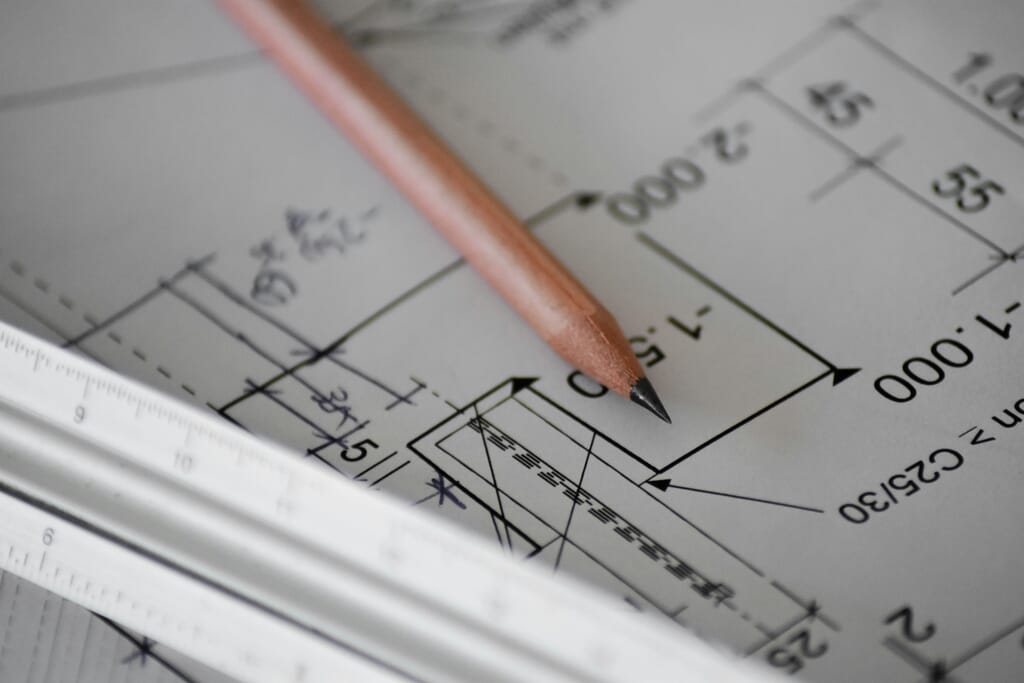
Photo by Sven Mieke on Unsplash
Map the Blueprint Before You Swing a Hammer
Before you order furniture or rip up flooring, take time to outline the goals and the rules. Begin by checking your local zoning and permit requirements so you’re clear on what’s allowed.
Once you’ve got the green light, sketch the footprint: think zones for lounging, hobbies, or gear storage. A taped-off mockup helps you visualize traffic flow and function.
This is also when you decide whether you’ll need upgraded insulation, new outlets, or wall reinforcements for screens or shelving. A good layout keeps energy focused where it matters and saves you from do-overs later.
Layered Lighting Makes the Room
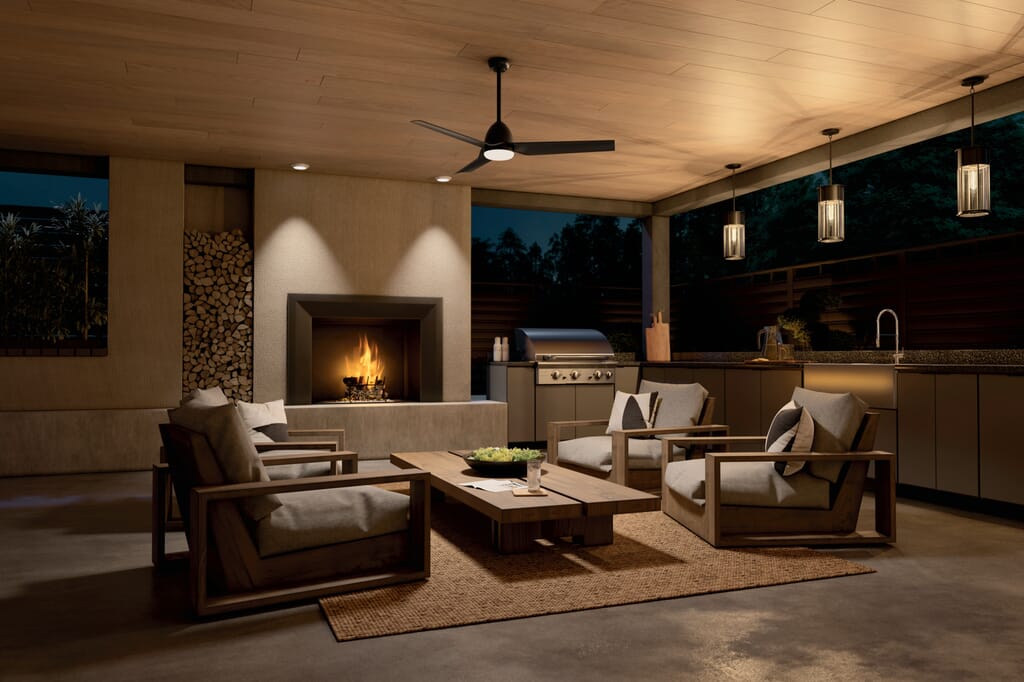
One overhead bulb won’t cut it when you’re converting a garage into a space for people to gather and relax. Think in layers: ambient lighting for overall brightness, task lighting for reading or workouts, and accent lighting to highlight features or decor. Recessed fixtures paired with wall sconces can make even the lowest-ceiling garage feel inviting.
For stylish and functional options that work with converted spaces, browse LightsOnline.com and get everything from flush mounts to dimmable LED setups. The right lighting plan doesn’t just illuminate. It shapes how the space is used and how it feels.

Photo by Microsoft 365 on Unsplash
Budget Before You Build
Converting a garage sounds straightforward until you start adding up the cost of drywall, doors, insulation, and permits. To avoid getting blindsided mid-project, it’s smart to map out expenses early and align them with your priorities.
If you’re not sure where to start, consider this option for free, downloadable budget templates designed specifically for home projects. These let you estimate each phase (planning, materials, finishes, and furnishings) so your decisions stay grounded in real numbers. A clear budget keeps your costs under control and gives you more confidence.
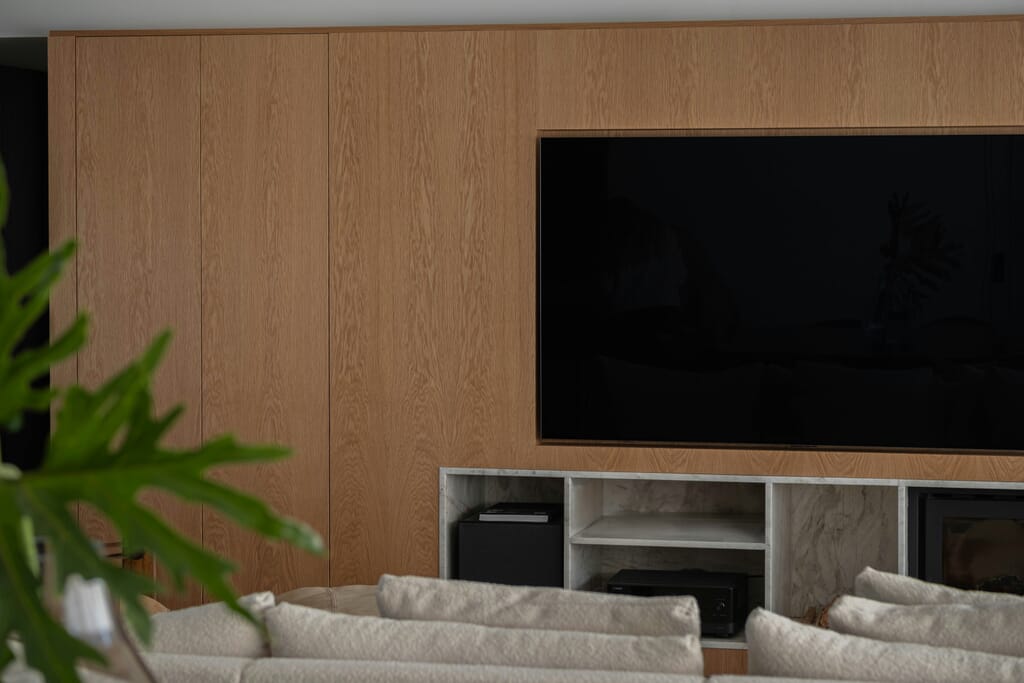
Photo by Caroline Badran on Unsplash
Build Around the Entertainment Core
If your garage is going to host movie nights, game marathons, or weekend hangouts, center the build around entertainment.
Anchor your design with a wall‑mount TV featuring integrated media storage, and surround it with multipurpose seating that doubles as storage or guest bedding. Soundproofing can be as simple as adding acoustic panels or plush area rugs. Modular sofas or stacking stools let you pivot between solo downtime and group fun. A small fridge or snack nook seals the deal and proves that this isn’t just a rec room, it’s the favorite room.
Make It Sweat-Ready (or Not)
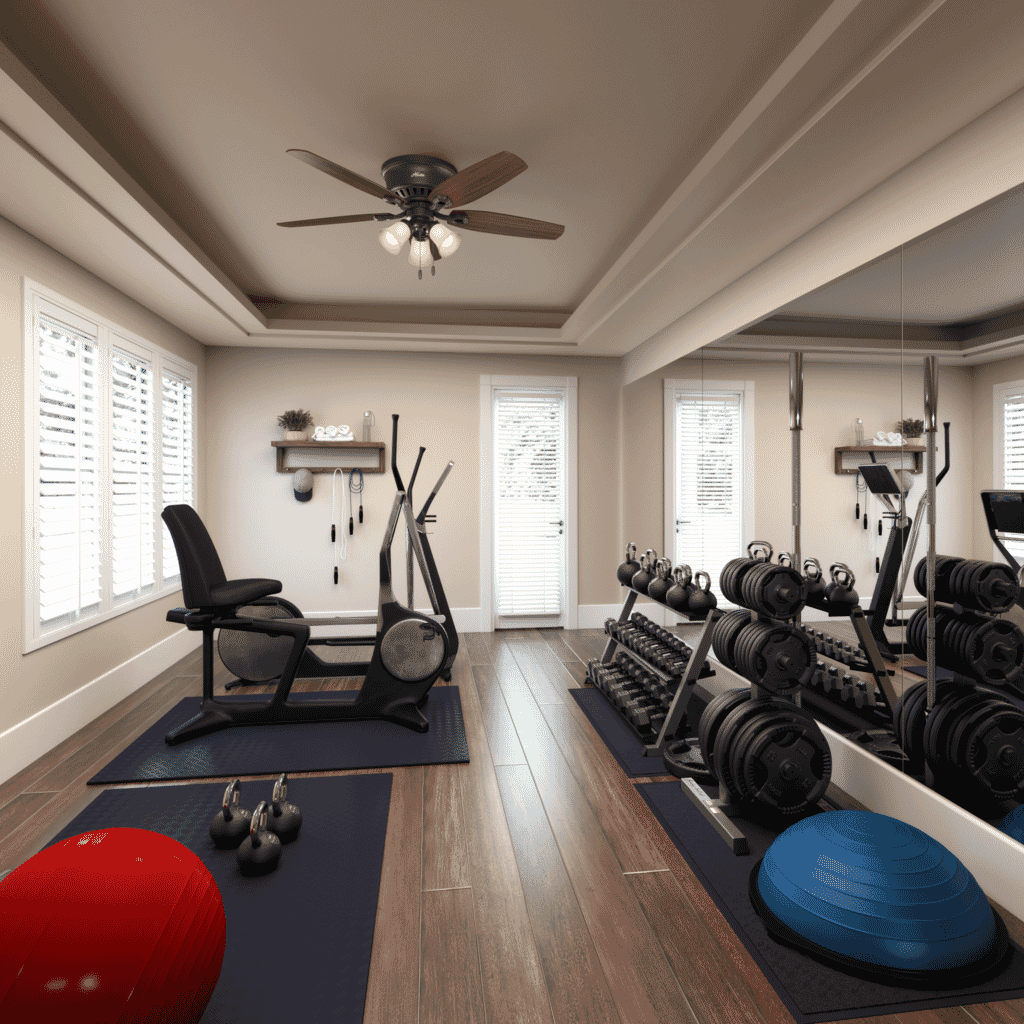
For active households, converting the garage into a gym can pay off fast. Just be smart about airflow.
Start by ensuring ventilation and airflow in the gym setup so heat and humidity don’t turn the space into a sauna. Rubber flooring tiles protect your knees and your subfloor. Wall-mounted racks, foldable benches, and resistance bands give you flexibility without clutter. May we recommend a ceiling fan to help you cool down after a hard workout?
If a gym isn’t your thing, the garage could host a craft area, music or podcast studio, or VR gaming corner – the point is to build a space that can shift.

Let Indoors Spill Into Outdoors
One of the most effective upgrades isn’t tech – it’s transparency. By using bifold doors to merge with patio space, your garage can become a hybrid hangout zone that lives larger than its square footage. Extend flooring materials for visual continuity or add a covered seating area just outside the garage door. String lights, plants, or a fire pit pull people outdoors and make the transition feel seamless.
This isn’t just about looks! It’s about maximizing how the space breathes, flows, and invites people in.
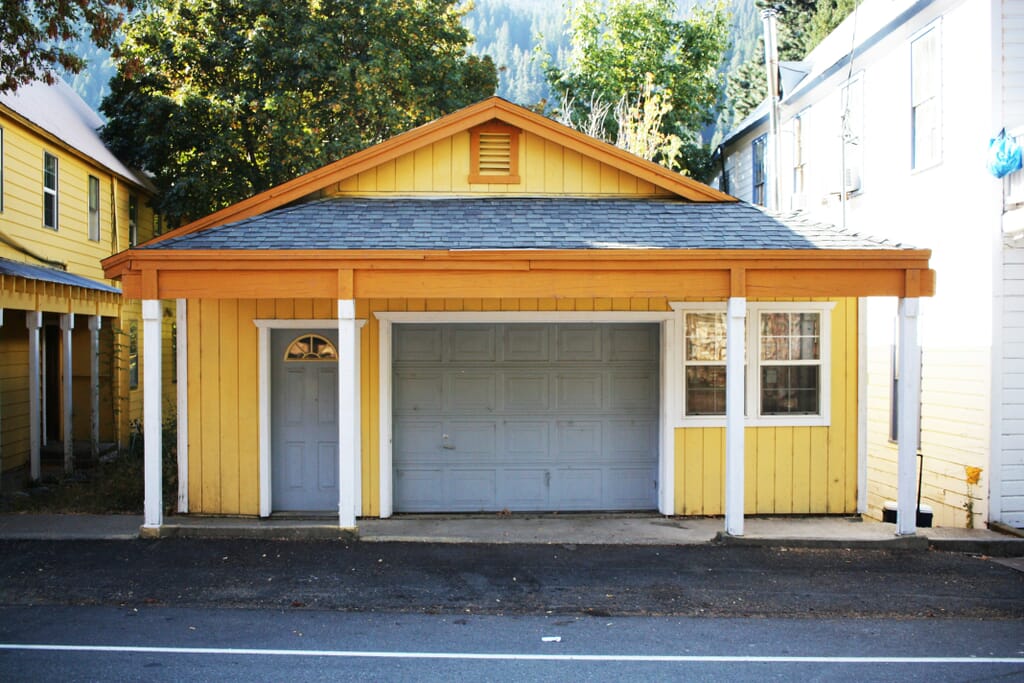
Photo from Andre W. Nguyen on Unsplash
Get Legal if You’re Hosting Overnight
If your endgame is a guest suite or rental unit, function alone isn’t enough. You’ll need to meet code.
That means egress windows, insulation, and maybe even soundproofing. You’ll want to think carefully about privacy, plumbing, and legal use classifications. More homeowners are converting garages into a legal accessory dwelling unit to add value or create income, but every city handles this differently.
Do your research, document everything, and work with a contractor who is familiar with ADUs. The investment is real—but so is the long-term payoff.
Conclusion
A garage can stay a storage zone forever—but with a little planning, it can evolve into the most flexible square footage in your home. Whether you go full entertainment suite, blend indoors with outdoors, or carve out a retreat for yourself, what matters is designing for use, not just resale. When form follows friction, even the most utilitarian spaces can turn into places people never want to leave.
Transform your home with the perfect lighting solutions from LightsOnline and discover the latest trends and expert advice to illuminate your space beautifully!


